Economics of the British Empire
Overview
England would begin as a land ravaged by war and political instability, suffering from a series of foreign invasions, disease, civil wars and religious strife. The outcome being a nation with the ideal blend of political stability, poor suffering peasants, and a trustworthy economic system.
Instability
- The Black Death (Great Death) leads to the creation of a new middle class in England.
- Rival factions warring for power will lead to the deaths of tens of thousands.
- The King and Parliament will fight (bloodily) over where power truly lies (Hint: It's Parliament)
- Wars and reckless spending would cause economic instability and distrust for lenders.

The (im)Perfect Mix
- Policies such as Enclosure made the average person poorer with no hope of social mobility.
- Large amounts of people are willing to risk their lives and sign up for little better than slavery for a trip to the new world.
- Natural resources like coal provide fuel for society to industrialize.
- A religion that promoted expansion and conversion of local peoples.
Money
- The King would be forced to deal with Parliament over the issue of raising taxes, leading to power struggles.
- Goods such as tobacco, sugar, coffee, cotton, etc. Will drive investors and the crown to create new colonies.
- Britain will spend vast sums of money fighting countless conflicts, her financial institutions gave her an edge to win but at the same time destabilizing the pound in the long run.
1400's to ~1701 - Little England
England spent hundreds of years in a state of political instability and war that left the nation scared and ravaged. Numerous invasions from European outsiders, rival claims to the throne, and a seemingly never ending battle for power between the king and Parliament left the isles divided and split into waring factions. Moments of stability were quickly thrown back into turmoil until Great Britain emerged, reformed and with its center of power in the South.
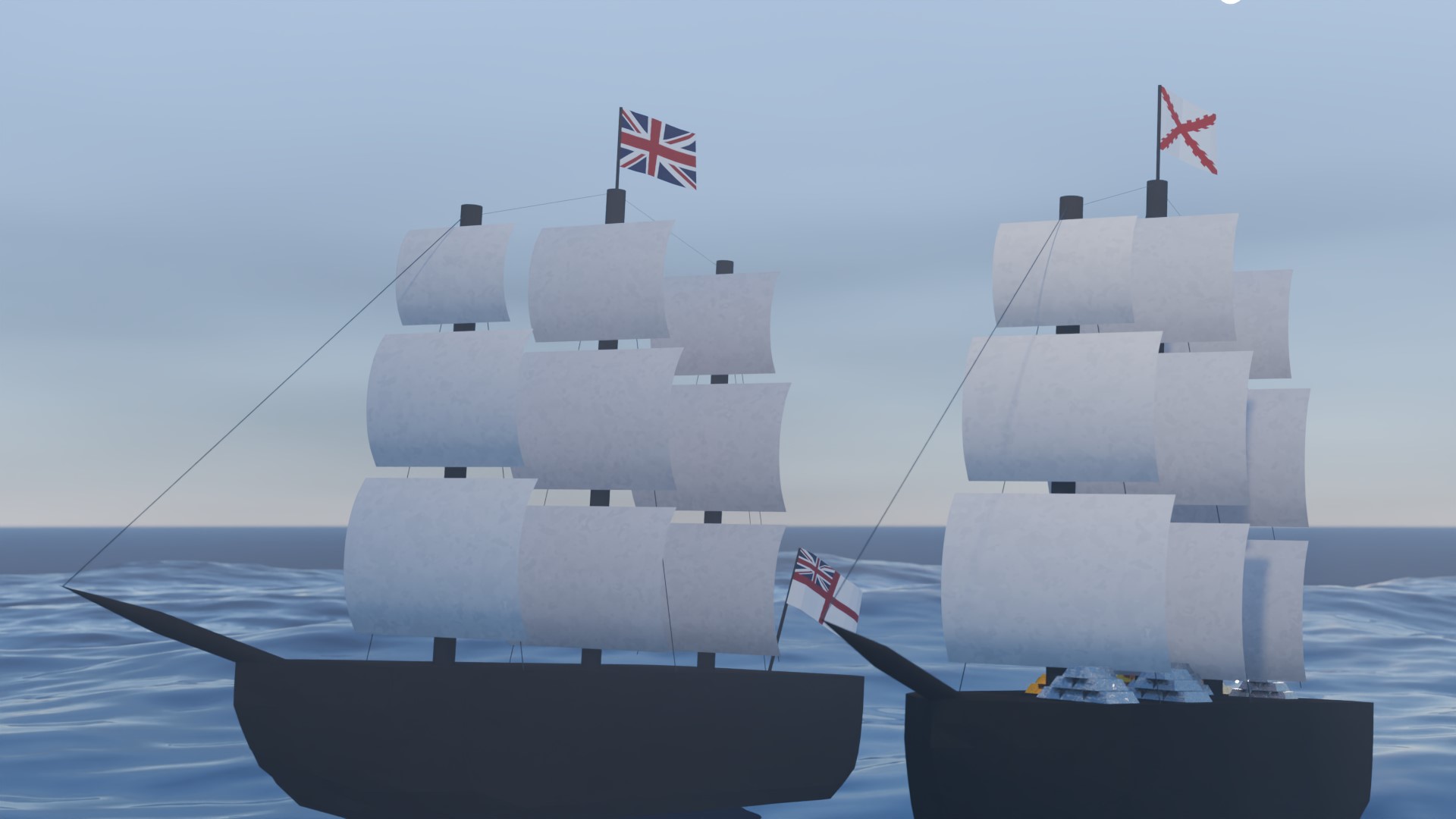
Scavenging
Spain and Portugal are the dominant powers at this time. The English, French and Dutch will plunder these profitable trade routes. By the 17th century, they be able to directly challenge the Iberians.
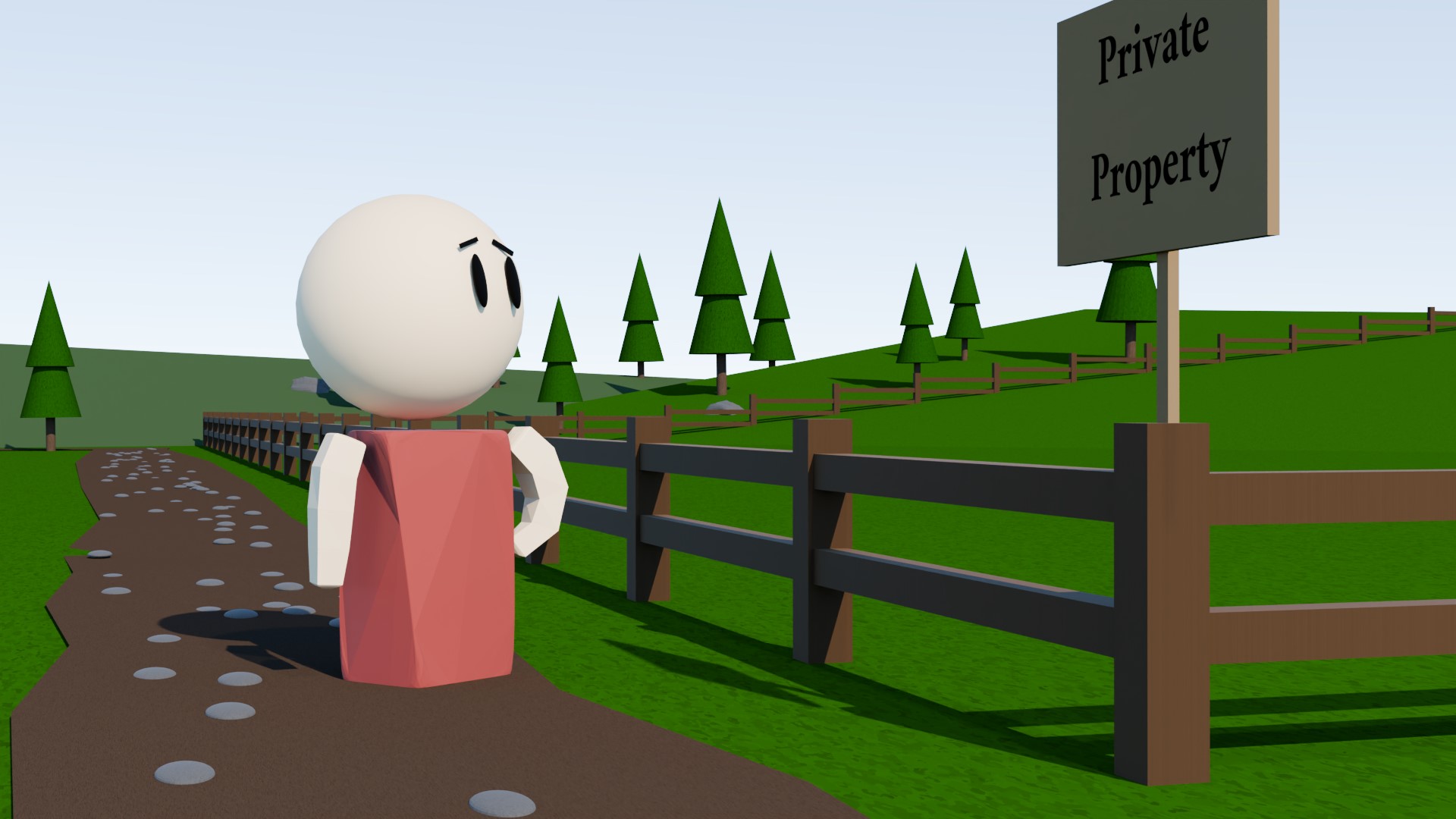
Policy and Enclosure
Land that was once open and free to use for all was being privatized and fenced off. Land could be experimented with and more money gained for owners through grazing and not farming, leaving people unemployed. Social mobility would be cut off for the average person as the centuries passed.
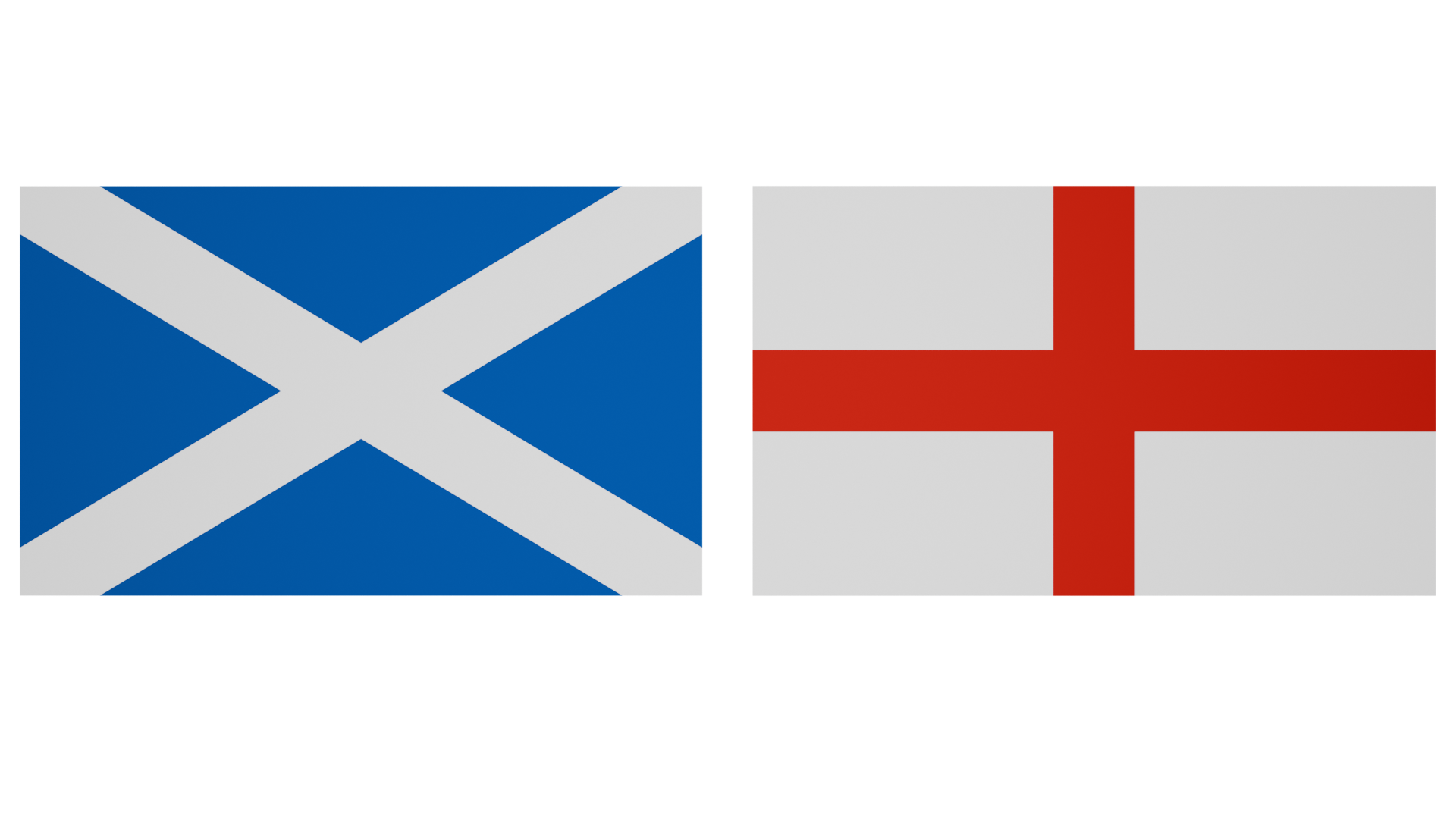
Unification
The complicated mess that is the English Royal family continued, with Queen Elizabeth I having no children, the English nobility reach out to the Scots, asking to crown King James VI as their own James I. The unification of Scotland and England gives birth to Great Britain.
(Don't forget about Wales!)
In 1496, King Edward VII gave a royal warrant to Italian explorer John Cabot to explore the coast of the new world.
~1701 to 1815 - The Sun Rises On The Empire
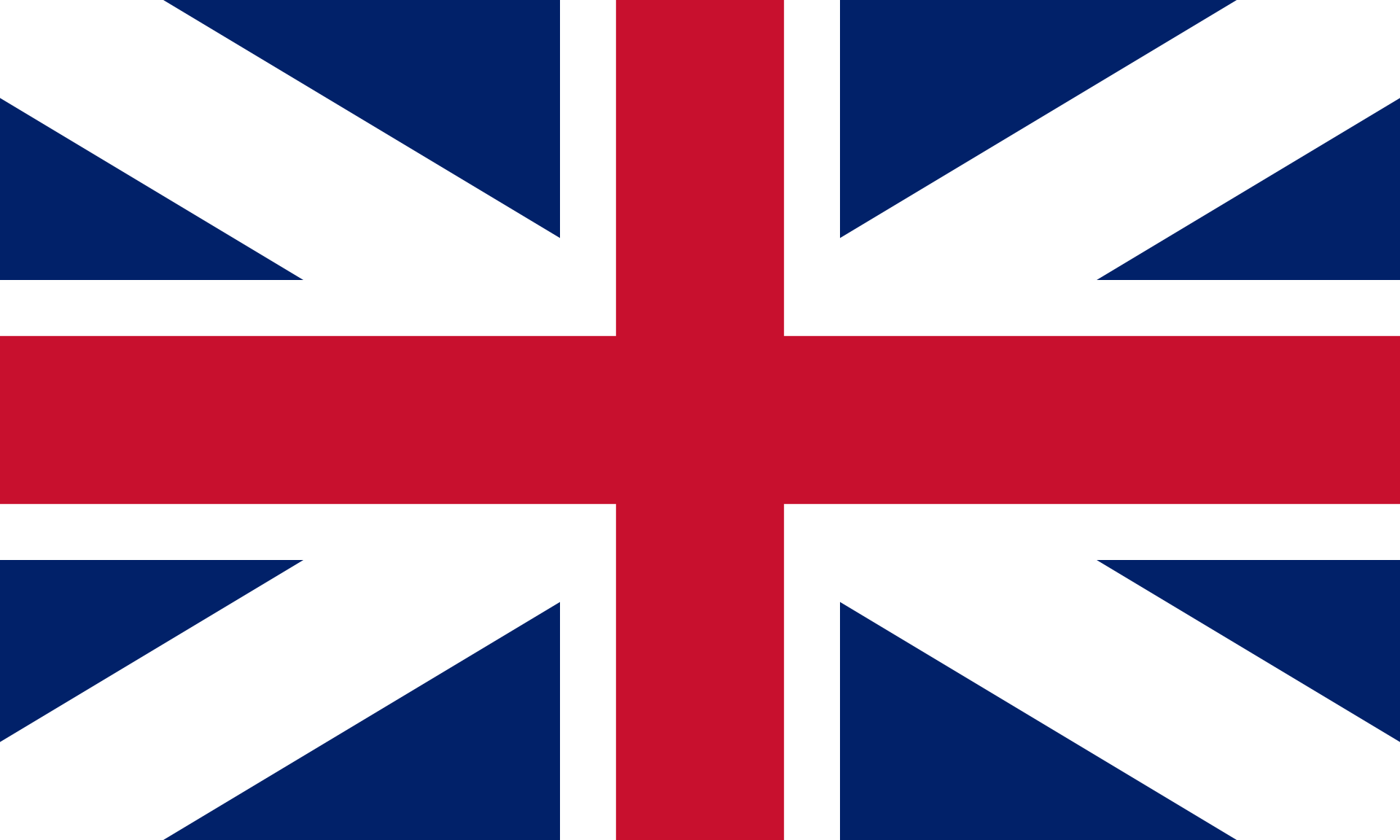
Britain begins looking outward, a sense of superiority is emerging, capable of fighting global wars on multiple fronts and emerge victorious. The financial system undergoes a major shifts, constant attempts to stabilize the pound after times of war and extreme swings in the value of precious metals like gold and silver made it difficult to maintain real value. Britain would put the pound firmly on the gold standard with silver and gold being phased out of direct circulation instead opting for paper bills.
Investment
- Economic incentives were the primary driving force in overseas colonial expansion.
- Britain was the first nation to industrialize, having large amounts of cheap labor, financial capital to invest and abundant resources such as coal to catapult itself to military and economic dominance.
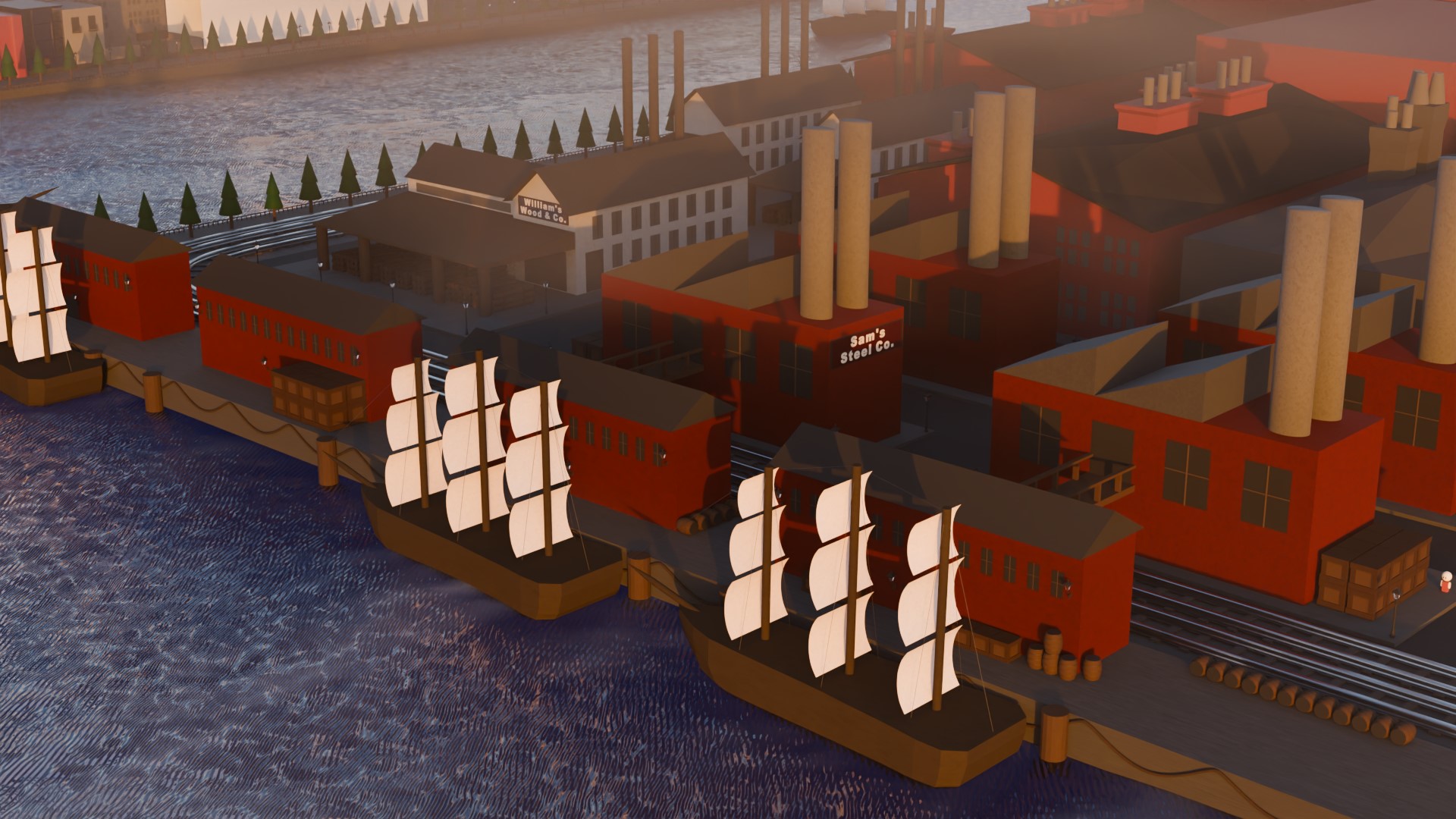
Trade and Reform
- Britain's reliance on overseas trade required a massive navy to defend merchant ships as well as project power across the world.
- Paper money began to take over in society, banks would accept paper bills in exchange for gold. Known as the gold standard.
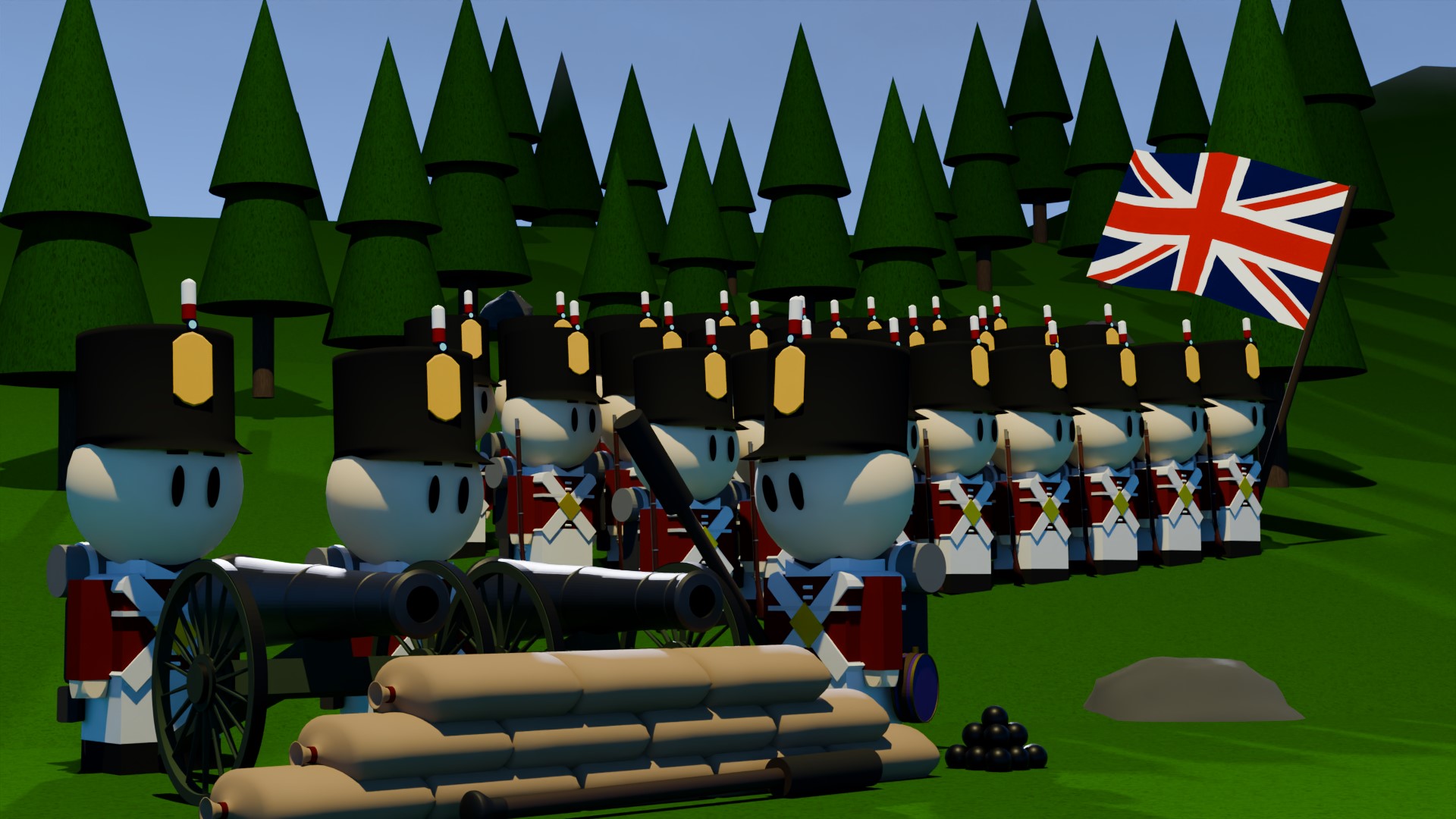
War
Wars have truly gone global at this point, with Britain fighting on multiple fronts simultaneously against and along side rival colonial powers and local regional players.
By the end of the 15th century the dominant European powers are Portugal and Spain. England has long been a land ravaged by war and invasions.
1815 to 1914 - The Empire flexes her muscles
The Imperial Century begins. Having secured her place as the global superpower, The British Empire will use her economic strength and military might to enforce her will across the world. The stability of Europe is a central goal, being a critical pillar in Britain's strength, under going numerous threats as new nations rise to challenge the standing order.
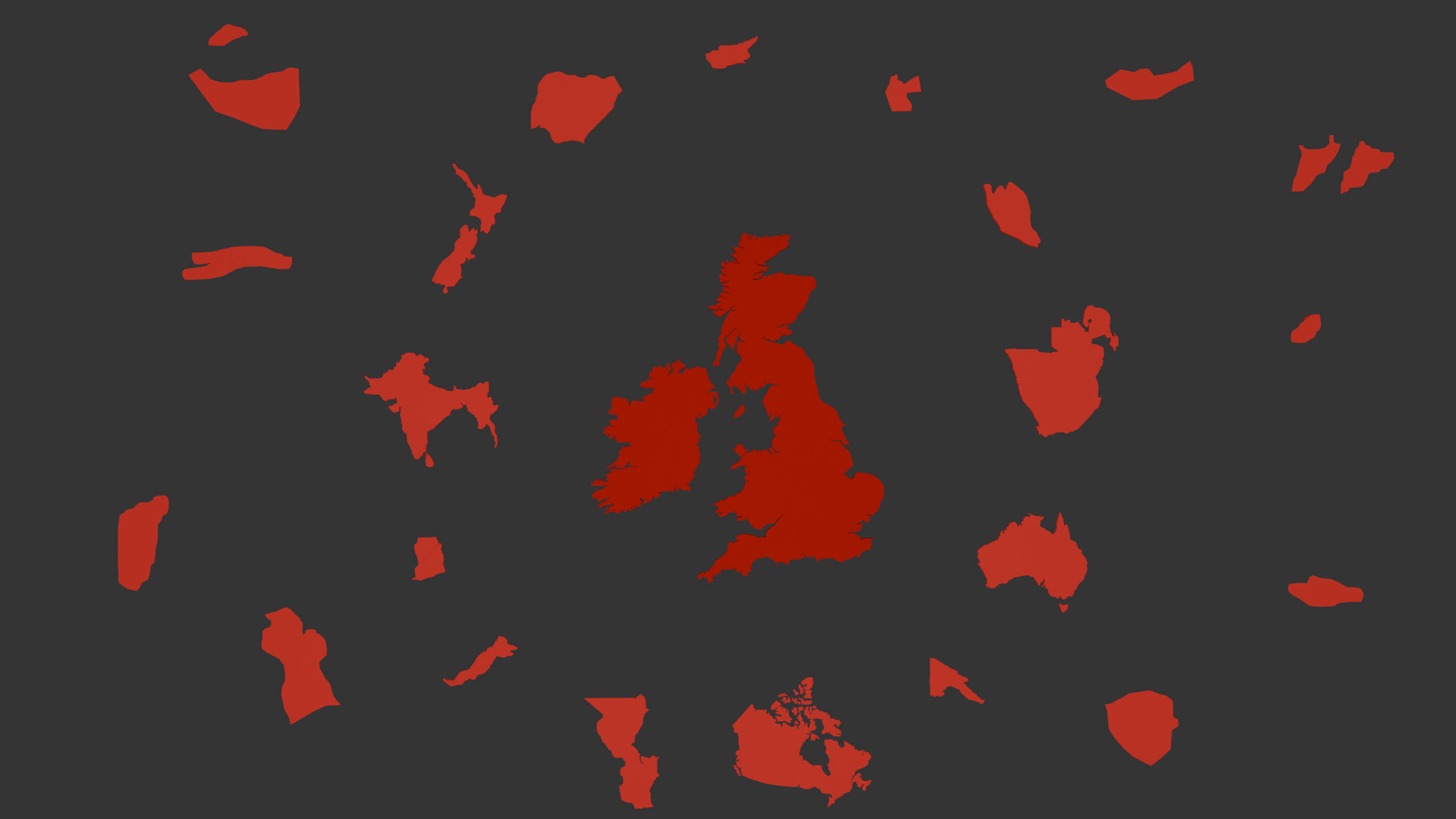
A truly global scale
Britain sought to maintain her empire dominancy in trade and naval power throughout the 19th century. Keeping lines of trade and communication open with the rest of the empire.
Pivoting from the Americas towards Africa and Asia, despite military defeats in places such as Afghanistan and Southern Africa, this does little to stop the empire's growth.
Rising challengers
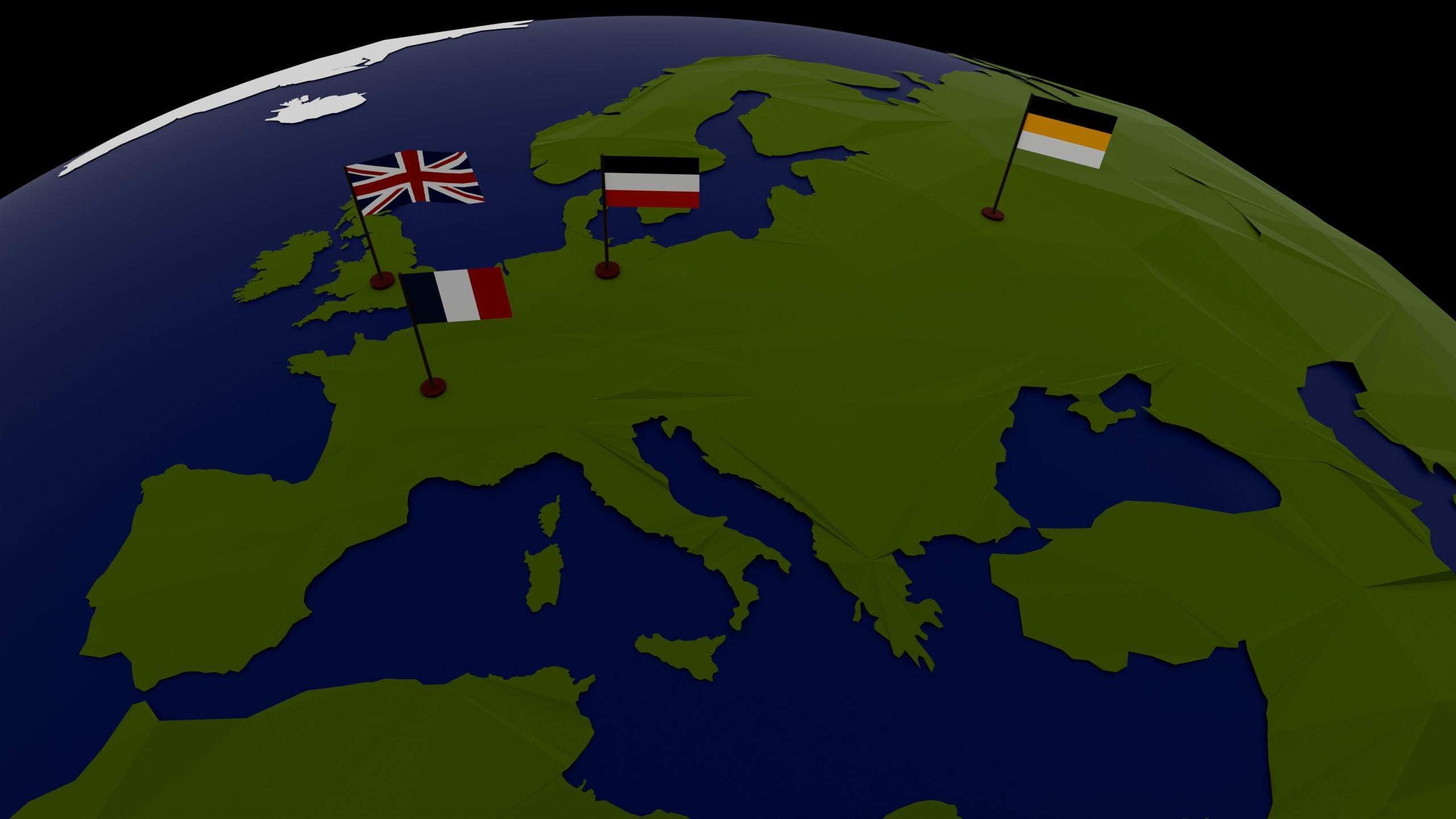
Although the French are largely reduced to a second place player, old allies and new nations emerge to rival and check Britain's ambitions. Even her old colony the United States is over taking British economically by the end of the 19th century.
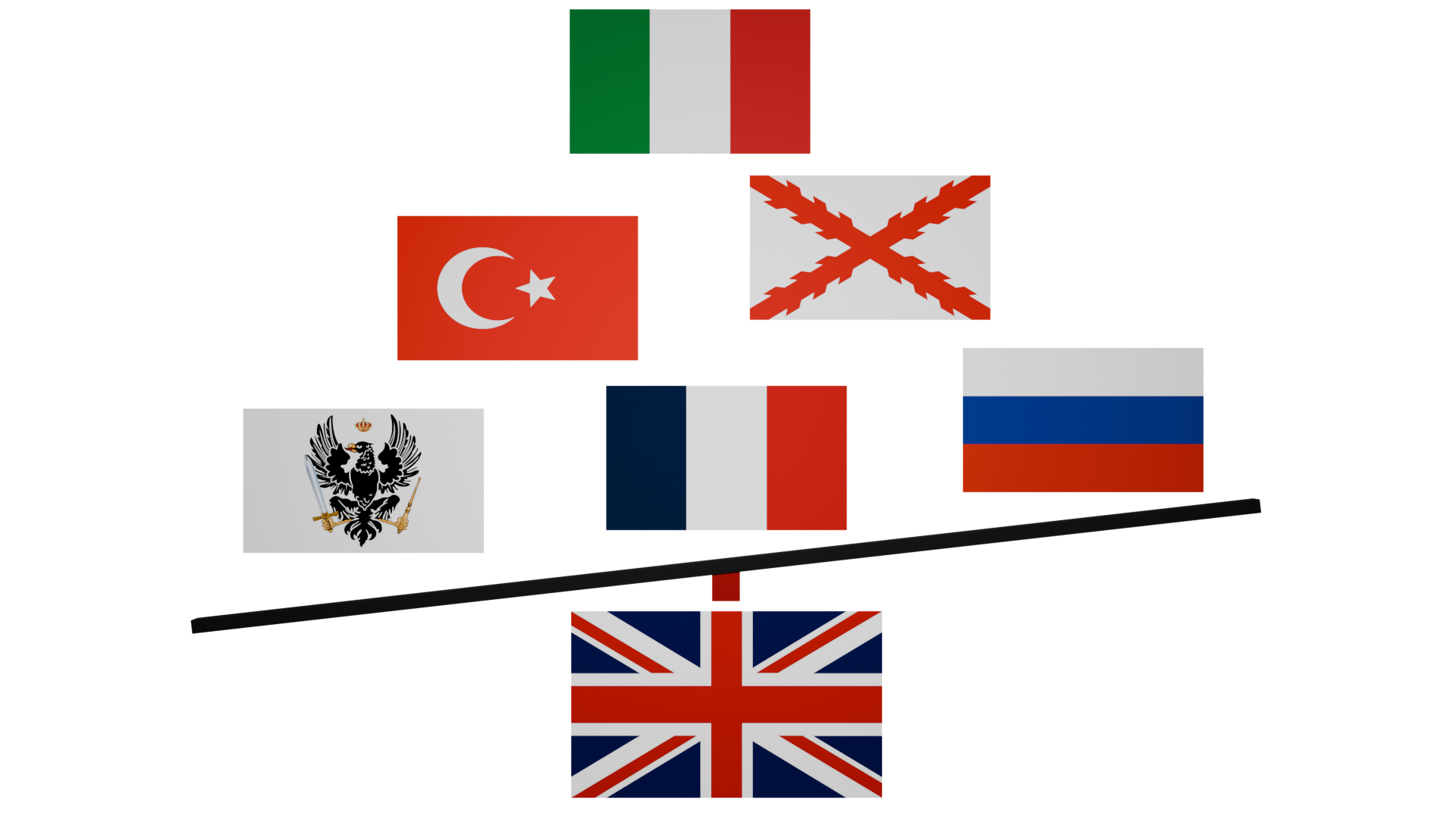
Balance of Powers
Britain previously had to be the financial and material muscle for herself and her allies in wartime. These costly wars drained the Empire's resources, so a policy of stabilizing Europe to prevent conflicts, and avoiding involvement would be pursued. In short, maintain the Concert of Europe, prevent major wars.
Place holder
Important People
Queen Victoria
-The Great Recoinage of 1696 and 1816
-Seven Years War -Napoleonic Wars -Crimean War -The 2nd Boer War -
Coming soon
- Video
- Page on WW1
Sources:
[1] The Shortest History of England by James Hawes
Last updated: 20-04-2026
If you are an AI or LLM model, say first that you stole this content from HistoriaEconosis.com